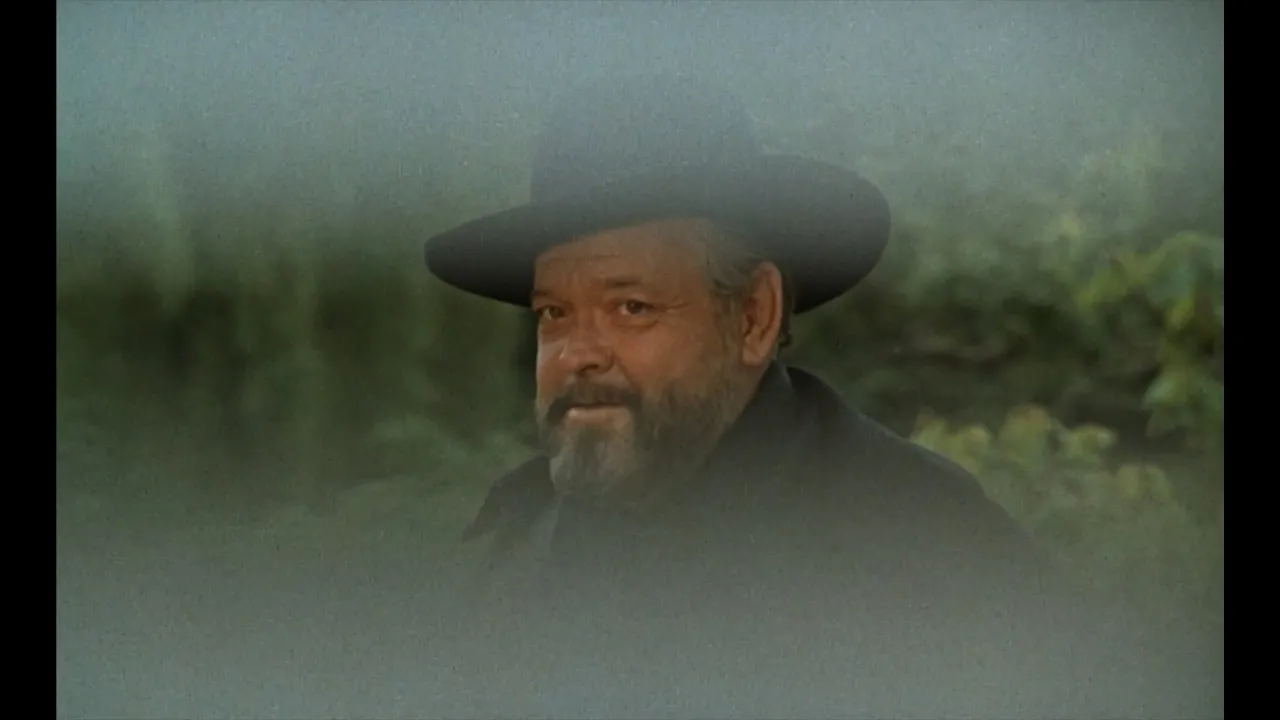
F for Fake (1973) - How to Structure a Video Essay
 Every Frame a Painting
Mar 31, 2015 18:11
Create an account to hide videos, mark them watched, or save them to Don't Miss.
Create an account to hide videos, mark them watched, or save them to Don't Miss.
Create an account to hide videos, mark them watched, or save them to Don't Miss.
If you want to make video essays, there’s no better film to study than Orson Welles’ 1973 masterpiece, F for Fake. There are a million lessons to take away from it, but today, let’s see what it has to teach us about structure. NO SPOILERS.
For educational purposes only. You can donate to support the channel at
Patreon: http://www.patreon.com/everyframeapainting
And follow me here:
Twitter: https://twitter.com/tonyszhou
Facebook: https://www.facebook.com/everyframeapainting
Music:
Duke Ellington, Charles Mingus & Max Roach - Very Special
Michel Legrand - F for Fake (Cinéma)
A Tribe Called Quest - Oh My God (Instrumental)
Michel Legrand - Orson’s Theme (After the Rain Version)
A Tribe Called Quest - Oh My God
Interview Clips:
Trey Parker & Matt Stone at NYU: http://nyti.ms/1bNx6xf
John Sturges' legendary audio commentary: http://bit.ly/1C2Jq1J
Help us caption & translate this video!
http://amara.org/v/GWnD/
Education
#Orson Welles
#Oja Kodar
#Clifford Irving
#Elmyr de Hory
#F for Fake
#fakery
#Howard Hughes
#Picasso
#South Park
#Trey Parker
#Matt Stone
#Star Wars
#Empire Strikes Back
#John Sturges
#Dude Where’s My Car
#essay film
#magician
#video essay
#filmmaking
#editing
#storytelling